Hand harvesting allows us to decide which grapes deserve to reach the winery and which do not—an essential requirement for quality wines. This ability to select, based on the judgement and sensitivity of the team and still beyond the reach of any machine, ensures that we work only with fruit in optimal health and ripeness. The result is direct and indisputable: raw material of the highest quality.
HOW CORPINNAT
IS MADE
A way of doing things
TRADITIONAL
METHOD
Since the late 19th century, when the first sparkling wine in Spain was made by the traditional method in Sant Sadurní d’Anoia, we have remained unwaveringly faithful to a know-how passed down with rigour and high standards to this day. Generation after generation, we have preserved a way of working that puts time at the centre and shuns any shortcut.
The traditional method rests on one essential principle: the second fermentation and the dialogue between the wine and its lees during long ageing must take place inside the bottle. A rigorous method that defines the complexity and depth of great sparkling wines and sets them apart from other winemaking styles around the world.
More recently, aware of how deeply rooted the traditional method is in our winemaking culture, we have also chosen to explore one of the oldest expressions of that same culture: ancestral wines, keeping long ageing in their production and preparing them for sale with a cork and wire cage.
1.
HAND
HARVESTING
HARVESTING
2.
PRESSING
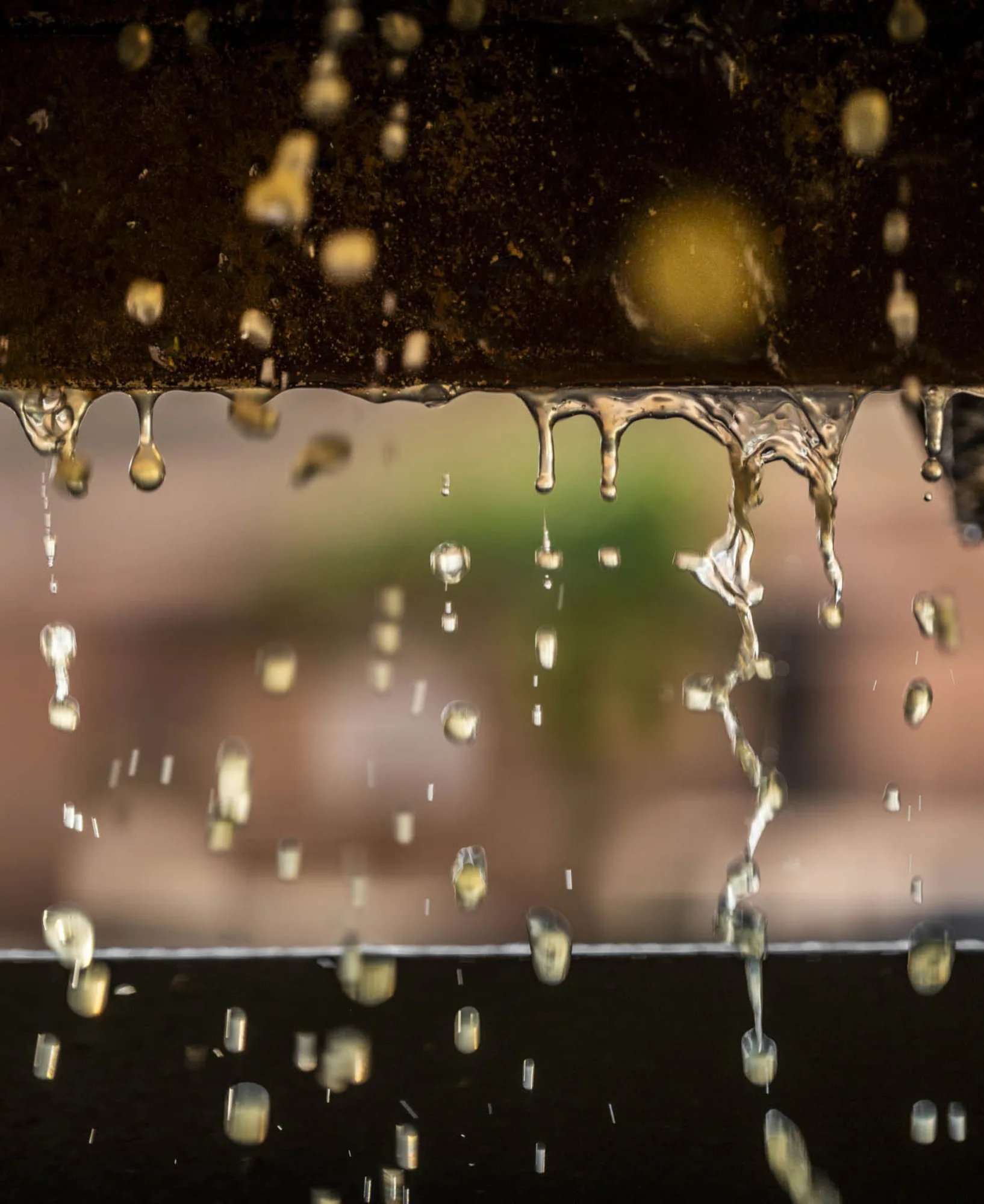
Pressing is a decisive step in winemaking: it extracts the must from the grapes and, by working in fractions, preserves the identity of the fruit and selects finer, more balanced musts. Pressing with the utmost care enhances the wine’s aromatic expression and potential to evolve.
Not all parts of the grape have the same concentration of sugars, acids and polyphenols. That is why the pressing yield is key: as pressure increases, so does the extraction of polyphenols, oxidative enzymes, potassium and other compounds that can alter the wine’s acidity, balance and ageing potential.
Deciding how far to press—what we call the press cut—is therefore one of each winery’s big decisions. Within Corpinnat there are different approaches to this extraction, from whole-bunch pressing to skin maceration, always with the aim of expressing the fruit and its origin.
In the 2026 harvest, the yield is 64.4 litres of wine per 100 kg of grapes. A figure that, beyond yield, speaks to an essential question in winemaking: knowing how far to extract in order to preserve what we truly seek in the wine—purity, balance, expression and ageing potential.
3.
SETTLING
THE MUST
THE MUST
Settling, with all its variables, helps us remove suspended solid particles such as sediment, skins and other impurities present in the must after pressing. Working with clean, stable musts allows us to preserve varietal character and obtain aromatically clean wines.
4.
THE FIRST
FERMENTATION:
THE BASE WINE
FERMENTATION:
THE BASE WINE
Once settled, the must is ready to begin its first fermentation under temperature control. During alcoholic fermentation, yeasts turn the sugars in the must into alcohol. The result of this fermentation is the base wine. A Corpinnat base wine is a wine in progress, still without bubbles, made with the structure, acidity and aromatic profile needed to withstand long ageing. In short, a wine that already has the characteristics, the essential nuances and the vocation to become a great Corpinnat sparkling wine.
*
THE ANCESTRAL
METHOD
METHOD
The identity of Corpinnat sparkling wines is deeply linked to the traditional method, the winemaking system that has historically defined the great sparkling wines of our territory and lies at the heart of the collective project.
However, some wineries have also chosen to explore the ancestral method, an even older winemaking technique that is part of the European wine tradition and also has roots in our territory. This exploration is seen as a complementary expression, showing other facets of the grape and the vintage without displacing the central role of the traditional method.
The ancestral method is one of the oldest ways of making sparkling wine. Unlike other methods, ancestral wines are the result of a single fermentation that begins in the tank and ends in the bottle.
The wine is bottled before the first fermentation has finished, retaining the natural sugars of the must. Once the bottle is sealed, the yeasts continue fermenting inside and naturally produce the carbon dioxide we know as bubbles.
5.
BLENDING
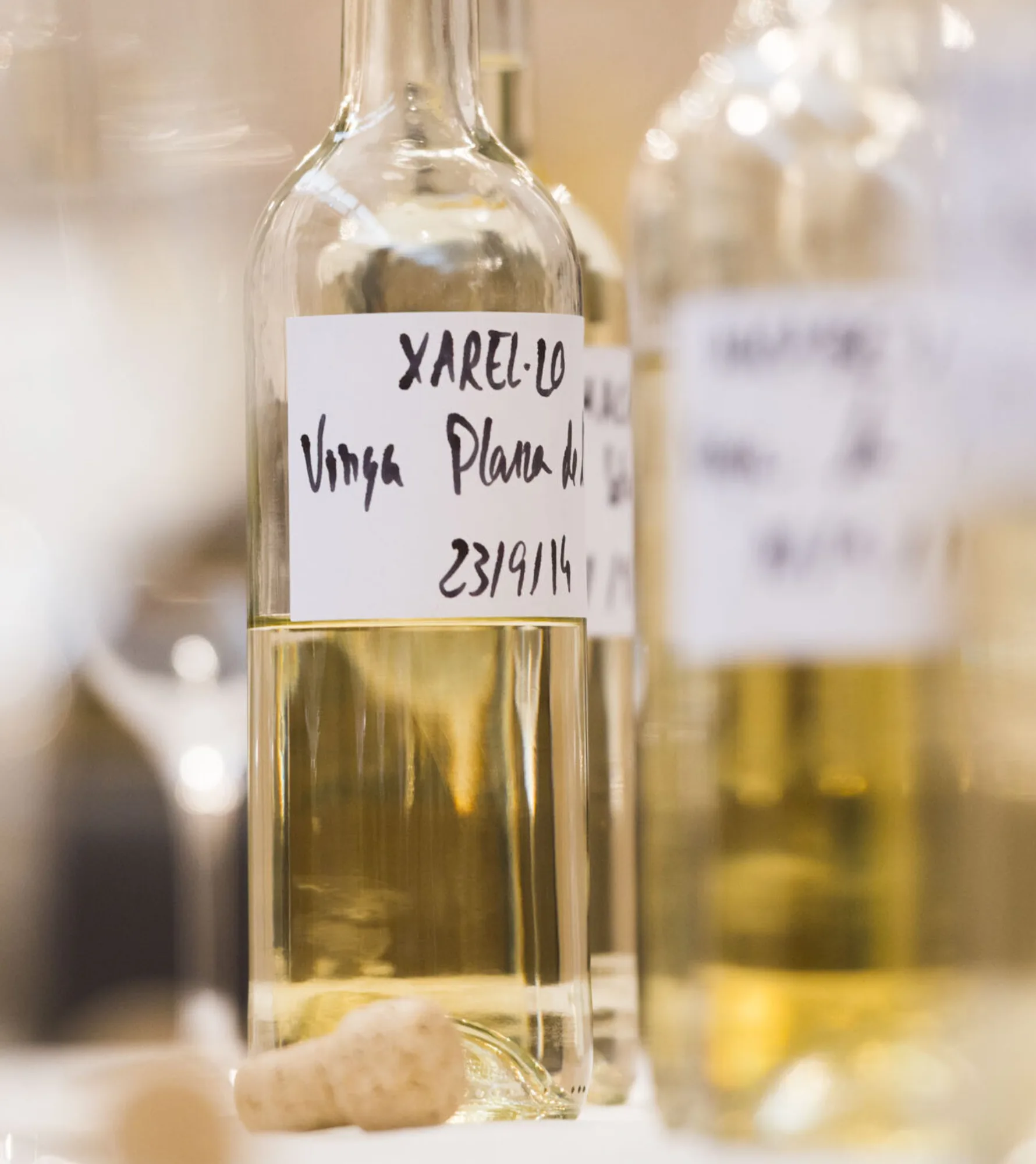
Blending—combining different base wines to build a final profile—defines the style of each grower-winemaker and their Corpinnat sparkling wines.
The richness of the territory’s winegrowing landscapes, its heritage of historic varieties, the idiosyncrasies of each vintage’s weather, and the interplay of all these physical, historical and human factors give each grower-winemaker base wines with very different profiles: from blends seeking balance and complexity to single-varietal wines that precisely interpret the character of a variety and a place.
It is through blending that the grower-winemaker can bring order to this diversity and build a style of their own, a personal expression that at the same time keeps a deep bond with the landscape, varieties and vintages of the Corpinnat territory.
6.
TIRAGE
Whether a blend or a single varietal, the Corpinnat base wine is bottled to begin the second fermentation, or prise de mousse, in the bottle—the moment when the wine naturally acquires its characteristic bubbles.
Tirage consists of adding the so-called liqueur de tirage to the bottle together with the base wine: a mixture of wine, sugar and yeast that ensures the second fermentation.
7.
THE SECOND
FERMENTATION:
PRISE DE MOUSSE
FERMENTATION:
PRISE DE MOUSSE
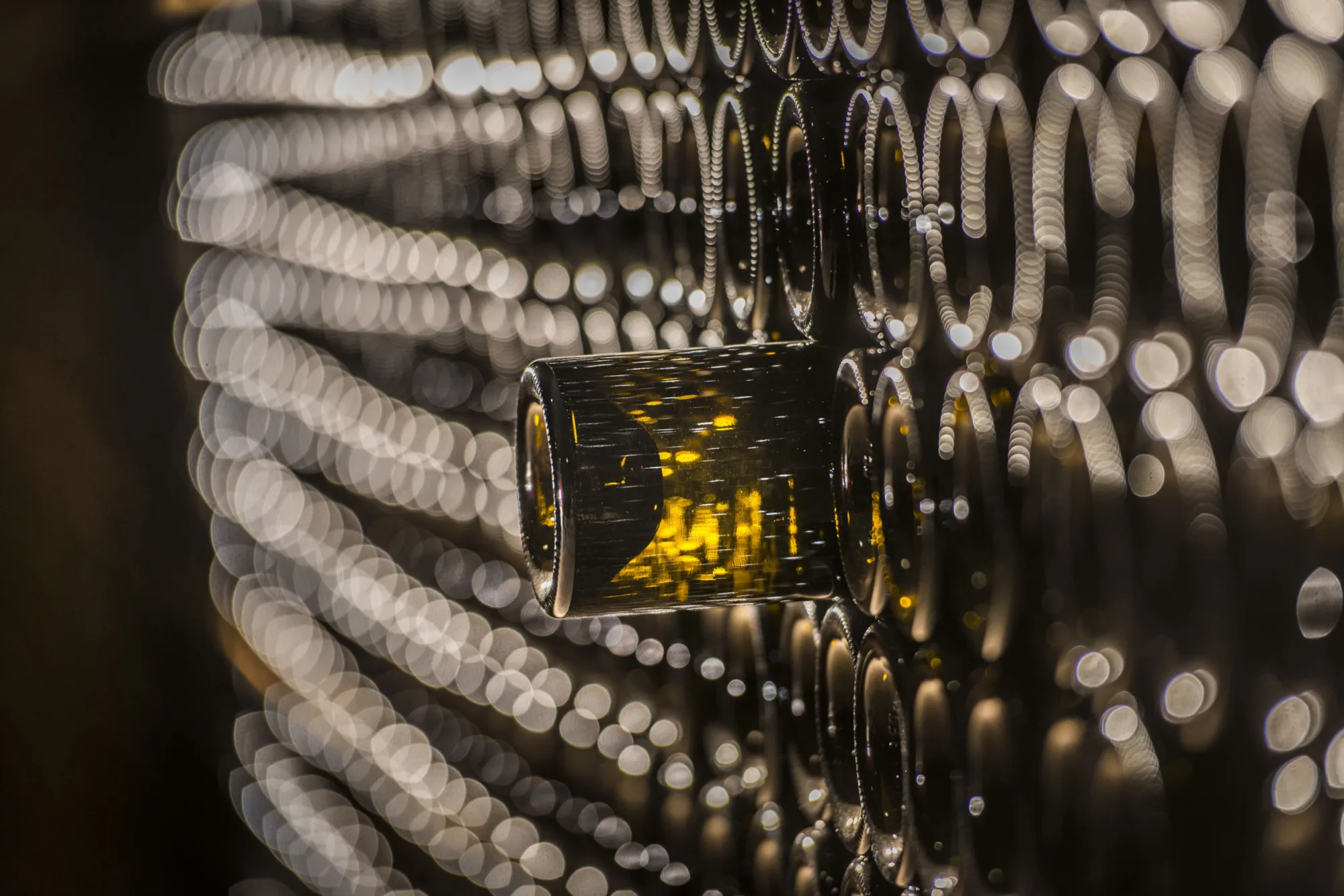
Once tirage is complete, the bottles are laid down horizontally in stacks, known as the rima, to begin the second fermentation and, afterwards, the long ageing process.
The prise de mousse is a second alcoholic fermentation that takes place inside the bottle. The carbon dioxide naturally produced during this second fermentation remains dissolved in the wine because of the internal pressure, which can exceed 5–6 bar. It is this pressure that, when the bottle is opened, releases the natural carbon dioxide in the form of bubbles.
8.
LONG
AGEING
AGEING
Long ageing in the bottle refines the character of Corpinnat sparkling wines. After the second fermentation, which usually lasts no more than a few weeks, the wine rests on its lees for a long period. In the case of Corpinnat, and unlike other sparkling wine designations of origin around the world, the wine is aged in the bottle for at least 18 months.
During this time the wine evolves slowly and gradually. Through autolysis, the yeasts break down, interact with the wine and change its structure and aromatic profile. In addition, in long ageing under cork, the minimal ingress of oxygen and the gradual release of a small amount of carbon dioxide encourage a very slow oxidation, another phenomenon that helps shape the style of the wine.
Giving the wine time lets us gain volume on the palate, a creamy texture, fine and well-integrated bubbles and greater aromatic complexity, allowing the senses to reach the very heart of the wine.
9.
RIDDLING
Once the grower-winemaker considers the ageing complete, riddling begins: gradually moving the sediment from the second fermentation towards the neck of the bottle. Whether by hand or mechanically, the bottle is given small successive rotations of an eighth of a turn each day, combined with a slight tilt. In this way the sediment slowly moves down until it gathers in the neck of the bottle, preparing the wine for disgorgement.
10.
DISGORGEMENT
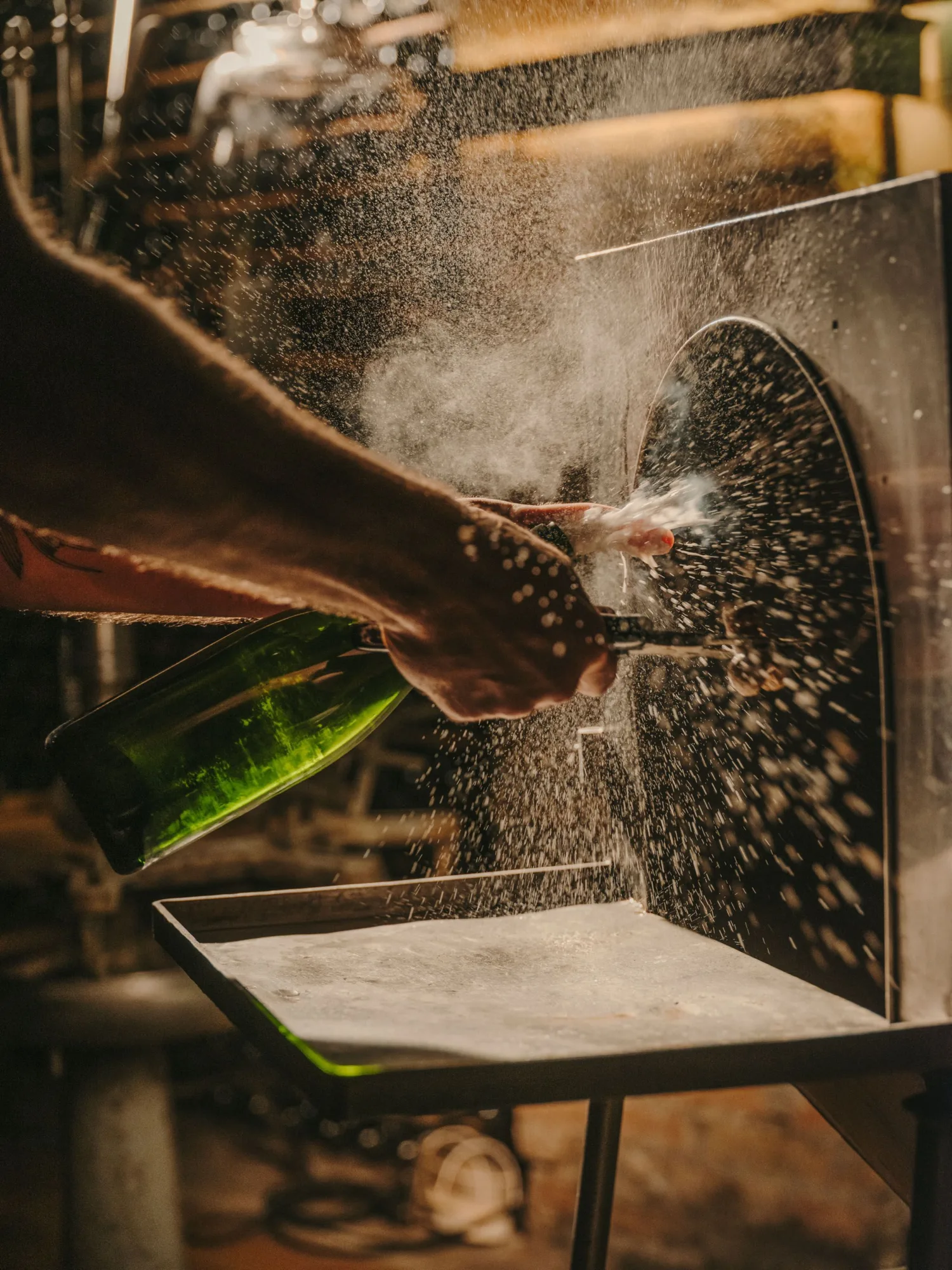
During disgorgement the bottle is opened so that the internal pressure expels the sediment, keeping the wine clear and losing as little liquid as possible; this is topped up in the next step, the dosage.
11.
DOSAGE
Dosage is the last step before the bottle is closed with its final cork. It consists of adding a small amount of liqueur d’expédition, a mixture usually made up of wine and, where appropriate, a set amount of sugar. The wine in the liqueur d’expédition may come from the same sparkling wine, from the winery’s reserve wines and, in some cases, from aged or rancio wines that add other nuances. The liqueur d’expédition is added to top up the bottle after the losses from disgorgement and to fine-tune the grower-winemaker’s final style without altering the identity of the wine.
When no sugar is added to the liqueur d’expédition, or the dose is below 3 g/L, the sparkling wine is classified as Brut Nature, the category that most purely expresses the character of the wine, the vintage and the terroir. Other dosage levels give rise to other categories depending on the final residual sugar content (see table).
12.
DRESSING
THE BOTTLE
THE BOTTLE
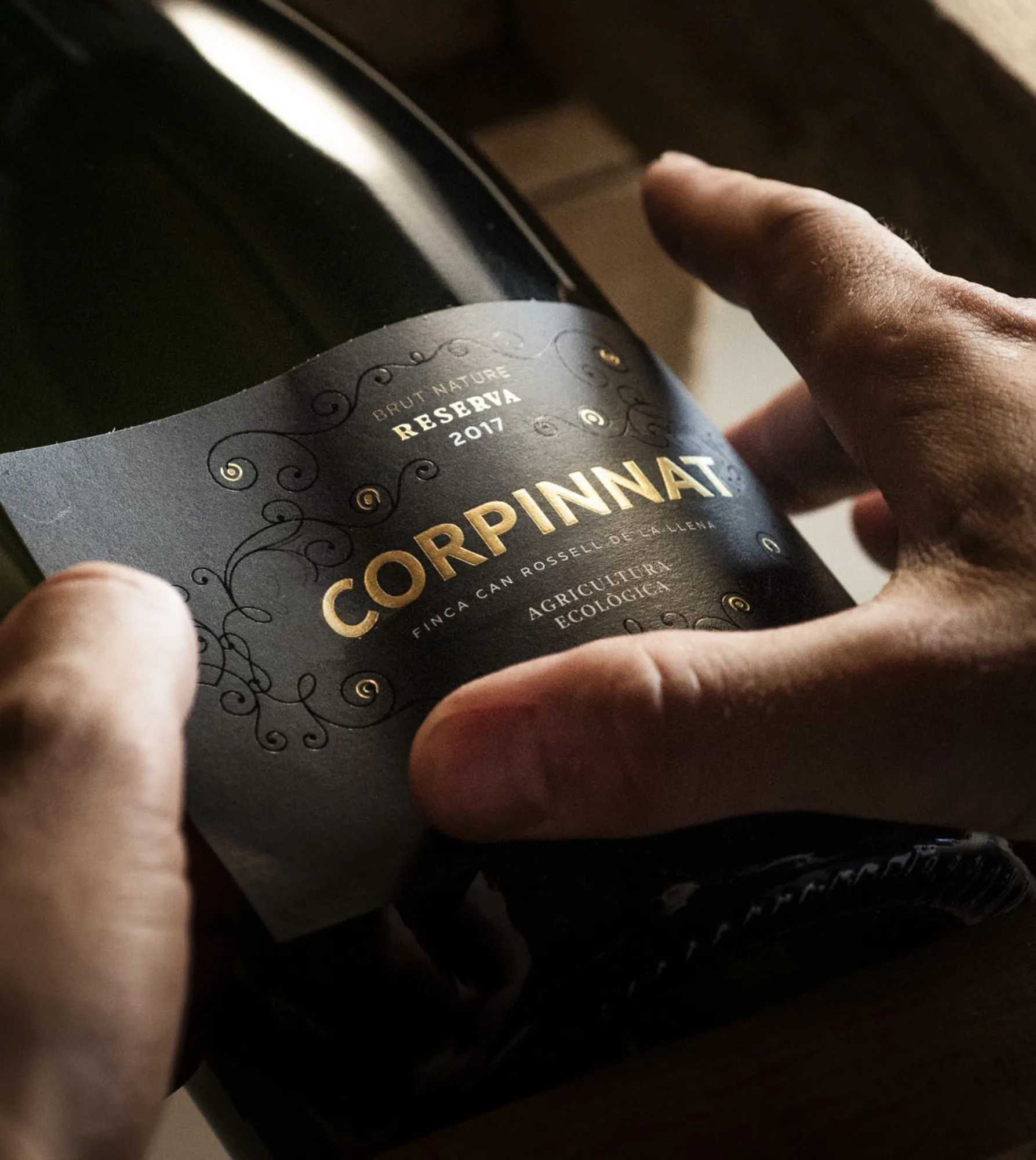
Labelling and finishing the bottle complete the production process of every Corpinnat. Once the cork has been pressed into the neck of the bottle and secured with the wire cage, the bottle is labelled and dressed with all the identifying elements of each winery and of the collective brand. The high standards and rigour with which our sparkling wines are made call for a presentation worthy of one of the most demanding sets of rules in the wine world. That is why a quality sparkling wine is only Corpinnat if the label says Corpinnat.
JOIN OUR NEWSLETTER
If you want to stay up to date with the news and activities of the Corpinnat project, just fill in the following form.