Among the varieties authorised under Corpinnat’s regulations, Xarel·lo remains the leading variety, followed by Macabeo and Parellada. Together, these three indigenous white varieties account for 73% of the grapes harvested. Red varieties such as Garnacha, Monastrell and Sumoll also play a significant role, particularly valued for their resilience and ability to adapt. In this regard, Corpinnat vice-president Roc Gramona highlighted that more than 92% of the grapes harvested currently come from local varieties, setting the goal for the coming years: “The objective is to reach 100% within eight years.”
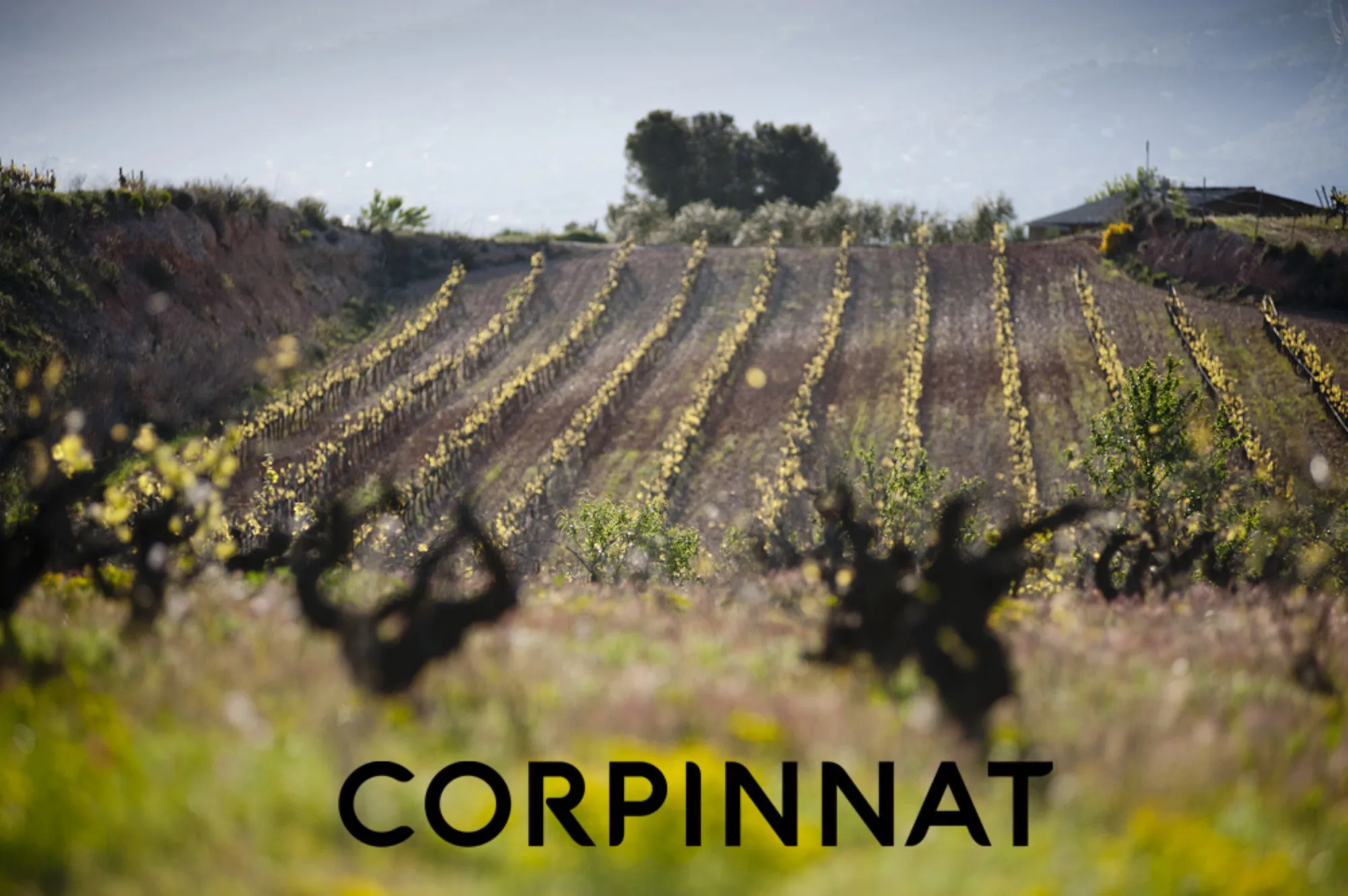
As for origin, all the grapes harvested by Corpinnat wineries and grape growers come from organic vineyards, reflecting a clear commitment to environmental preservation and viticultural practices that respect the natural ecosystem. This commitment is also reflected in the manual harvesting and an average yield of 6,354 kilos per hectare, well below the limits established in Corpinnat’s regulations, Gramona pointed out. In addition, in this harvest, 51% of the grapes collected came from the vineyards owned by the 24 wineries belonging to the collective trademark, while the remaining 49% were supplied by grape growers under contracts signed with the wineries and certified by Bureau Veritas.
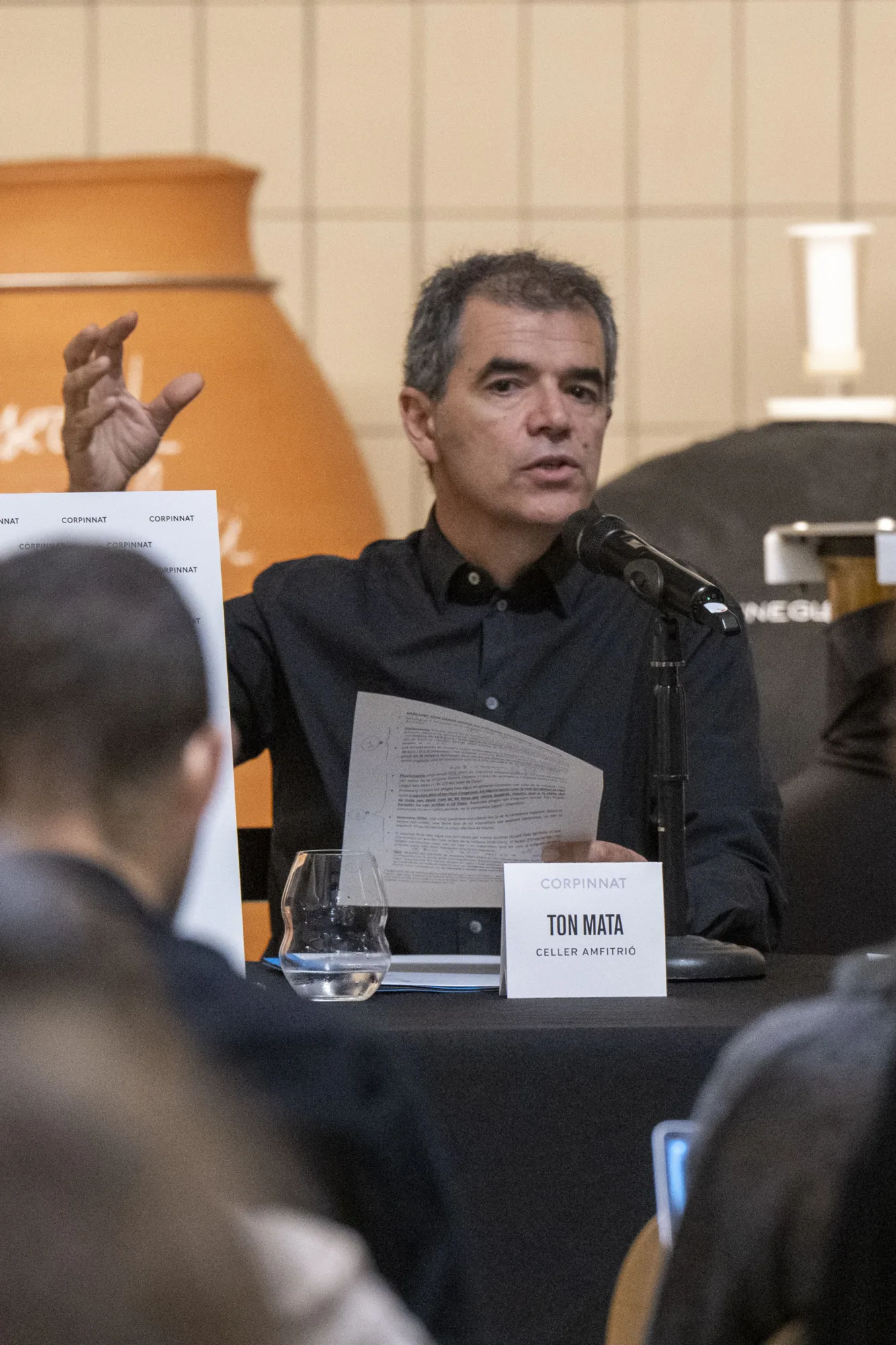
Ton Mata, CEO of Recaredo, the winery where Corpinnat’s Harvest Report was presented, highlighted the increasingly evident impact of the new climate reality on vineyards. According to data from the winery’s weather station, 2026 has been the warmest year recorded to date, with an average temperature 1.8 degrees higher than the average, a difference that reached two degrees during the summer months.
“Climate change, or this new reality, has not only brought the harvest forward, but has also accelerated ripening and changed the behaviour of some of the varieties we grow,” Mata explained. Against this backdrop, Recaredo’s CEO stressed the ability of viticulture to adapt and the need to prioritise value over volume.